Tuesday, May 24, 2022

Fire safety during winter (Prevent Disaster)

Australian Fire Safety

Every winter thousands of Australian homes experience accidental house fires.

These fires are commonly due to the increased use of home heating systems such as gas, electrical or woodfire. This makes fire safety during winter paramount.

There are preventable methods that you can implement in your home to ensure you protect your family and still keep them warm during winter.


You can download the official fire rescue home checklist here.

Check Smoke Alarms

Smoke alarms are one of your last lines of defence against a house fire. They are incredibly important to notify you and your loved ones that there is smoke within the house. Especially when sleeping, the smoke may not wake you.

 It is essential to check that your home’s smoke alarms are functioning properly.

  • Test your alarm to ensure that it is working and is loud.

  • Check that date on the alarm to ensure it is with the date.

  • Clean the alarm of any dust, insects or debris.

You should at minimum possess one fully functional fire alarm on each level of your home located in a centralised area.

Check out our Smoke alarm blog
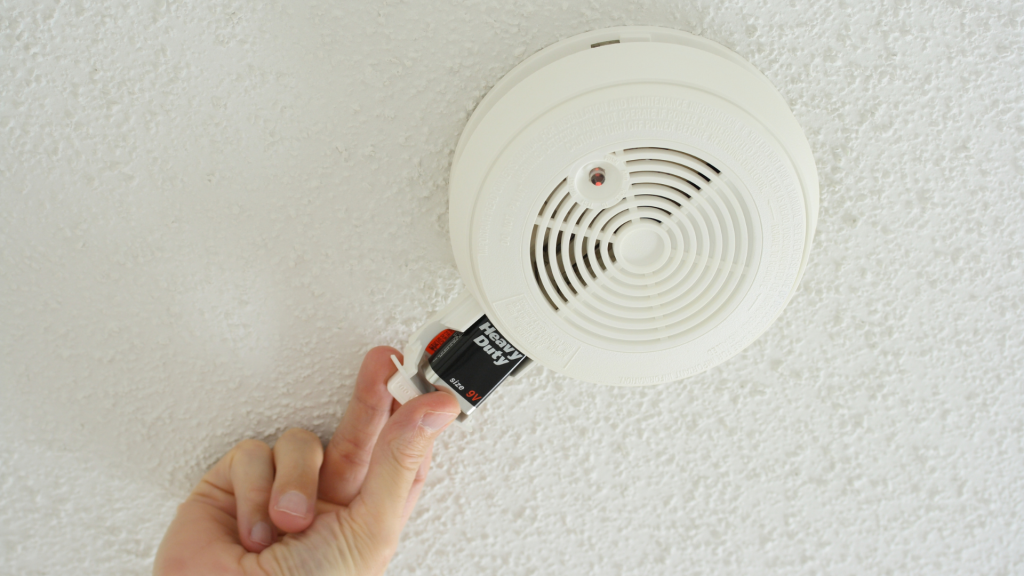
 test smoke alarm

Create Escape Plan

Ensuring that your family has a well-versed fire escape plan can save you from disaster.

If there is a fire in your home, leave immediately and call emergency services.

  • Create an escape plan, it can help to draw this plan out View an example escape plan

  • Discuss this escape plan with your family, this is very effective for answering questions from children regarding fire safety procedures.

  • Create a meeting spot outside of the home, that is a safe distance from the danger. Such as the mailbox.

  • Practise your escape plan ensuring that all members of the family have multiple methods of efficient escape.

An escape plan will hopefully never have to be used, however, it is always better to be safe than sorry.

Fire safety during winter

Fireplace And Chimneys

Fireplaces and chimneys are obviously a fire hazard, to ensure fire safety during winter it is imperative to follow these steps:

  • Ensure your chimneys are clean.

  • use a metal fire screen in front of open fires.

  • Ensure that a qualified tradesperson gives your fireplace a safety check.

  • ensure all wood and fuel are stored at a safe distance from the fireplace 
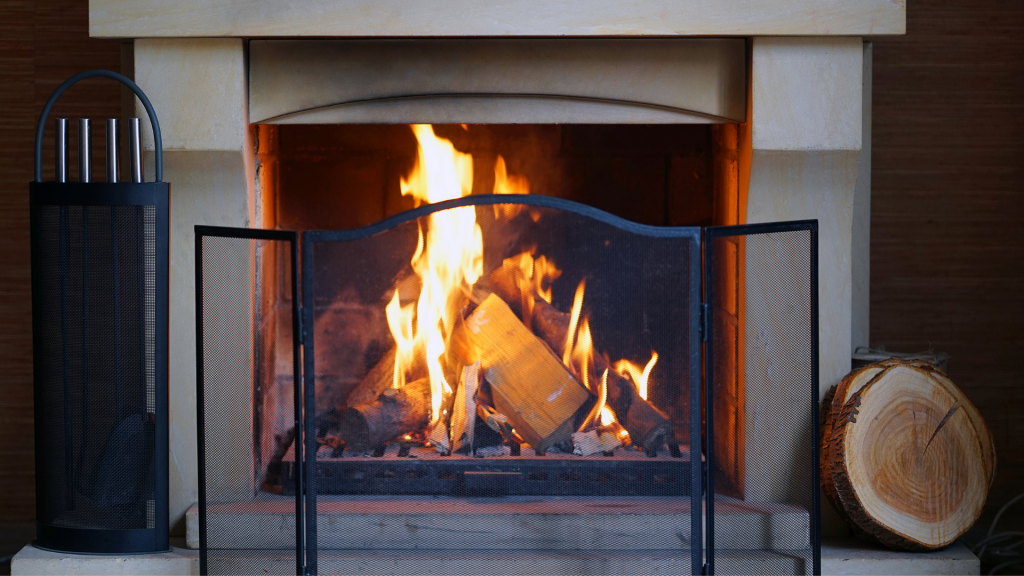
Fireplace safety

Heaters

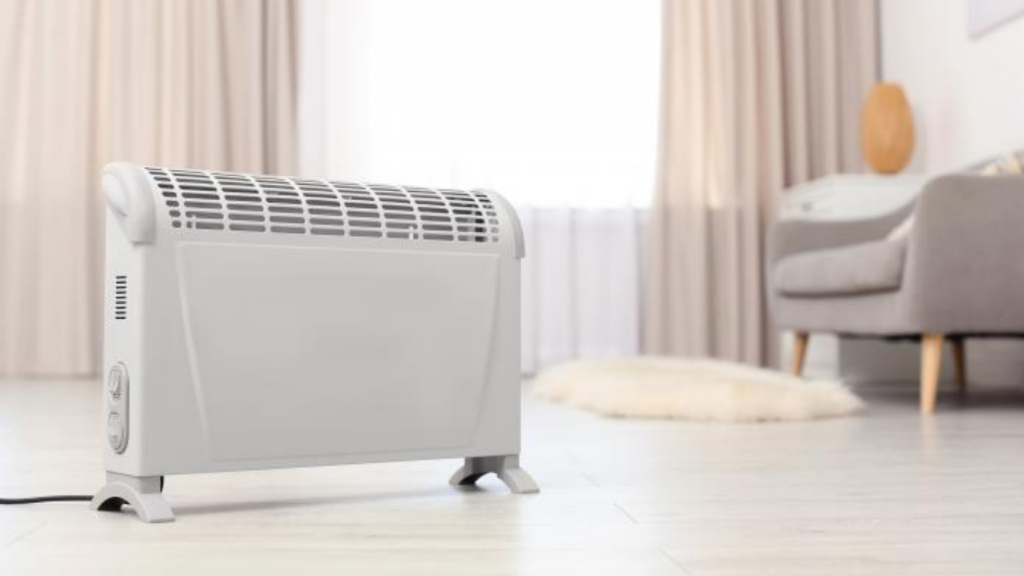
The excessive use of heaters during winter also may create a potential hazard. Ensure that you’re safely operating and maintaining your heater by:

  • Regularly service all heaters

  • Cleaning heaters area of clutter

  • Only plugging heaters directly into a socket( not using extension cords or power boards).
  • keeping the room is well vented
 

Heater safety

Electrical Safety

Electrical safety considerations are paramount to preventing electrical fires during winter. While it is important to receive professional opinions when it comes to electrical safety, there are things you can do to prevent potential hazards:

  • Visually inspect all outlets and cables in your home.

  • Do not overload a powerpoint with an excessive amount of plugs.

  • If you suspect an electrical fault, turn off the device and contact an electrician to come and do an official inspection to ensure it is safe for operation.
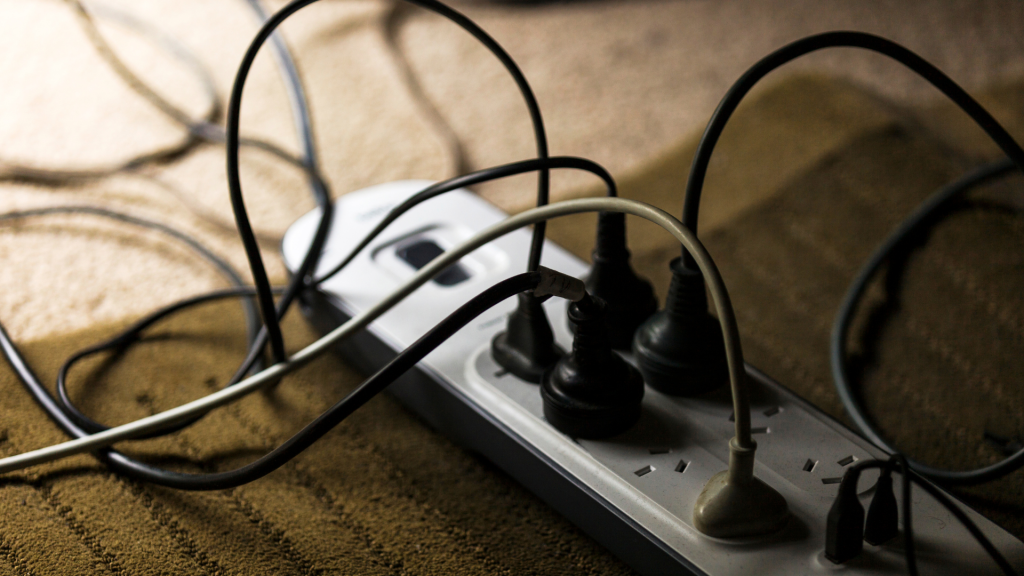
Electrical safety

Electric Blanket Maintenance 

Electric blankets use is very common in Australian homes during winter. In order to maintain your electric blanket, follow these tips:

  • Folding your electric blanket for storage may cause damage. Roll your blanket instead to prevent cable fault.
  • Test your electric blanket before use, this can be done by laying it on your bed and observing it for two minutes.
  • Feel the internal wires for any abnormalities and inspect cords for damage.

If you notice any damage or problems with the electric blanket it should be discarded. 

Check out our Electric blanket blog
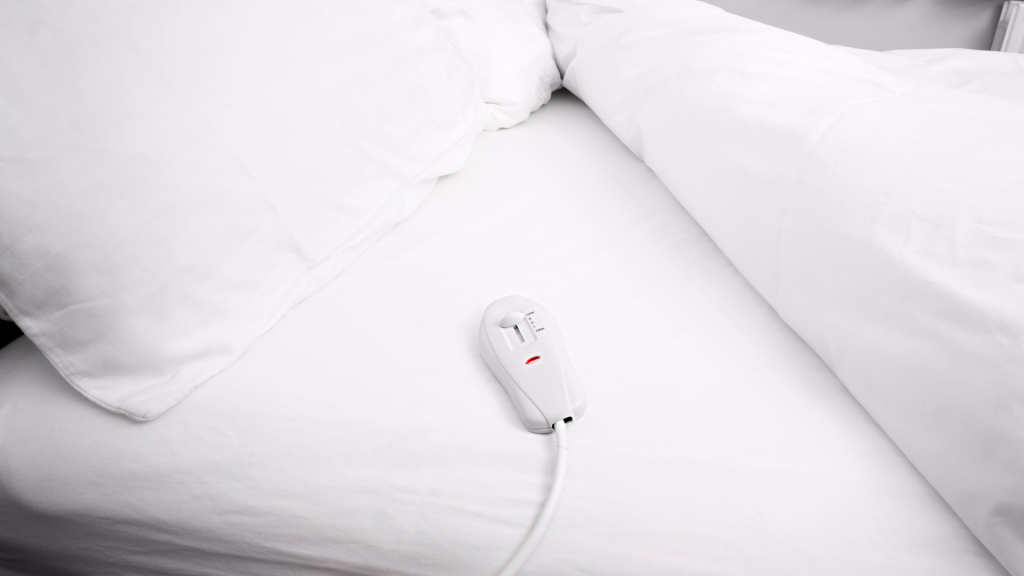
Electric safety blanket

Who can perform electrical safety checks near me?

If you are located in greater Sydney, Melbourne, or Adelaide Service Today can provide you with any electrical service you may require.

We have been servicing these local areas for over a decade in all things plumbing, electrical, heating and cooling. Electrical Questions

Call us or book online today. See for yourself why thousands of Australians have given Service Today their 5-star tick of approval!


The post Fire safety during winter (Prevent Disaster) appeared first on Service Today.


from Service Today https://www.servicetoday.com.au/blog/fire-safety-during-winter/

How to get paid to save power (Heat pump rebate)

Heat pumps and energy rebates 

Researching what hot water system is best for your home can save you thousands of dollars. Getting paid to save power sounds like it’s too good to be true. But by installing energy-efficient systems in your house and participating in Australian energy rebate schemes, this is exactly what will happen. This article will teach you to get paid to save power through heat pump rebates.

There are multiple different hot water systems that can be installed in a home. The main difference between these systems is their source of power. Common hot water systems use gas or electric power, and while this is still very effective and widely used, it is not as energy efficient as heat pumps.

For energy-efficient systems such as heat pumps, you can seek a rebate for the purchase and installation. These symptoms also save on energy costs. On average, households expect to save $110 annually on energy bills and the average business can expect to save $3,700.

There is no hot water system that is overall best. Choosing a hot water system for your home depends on the needs of your household.

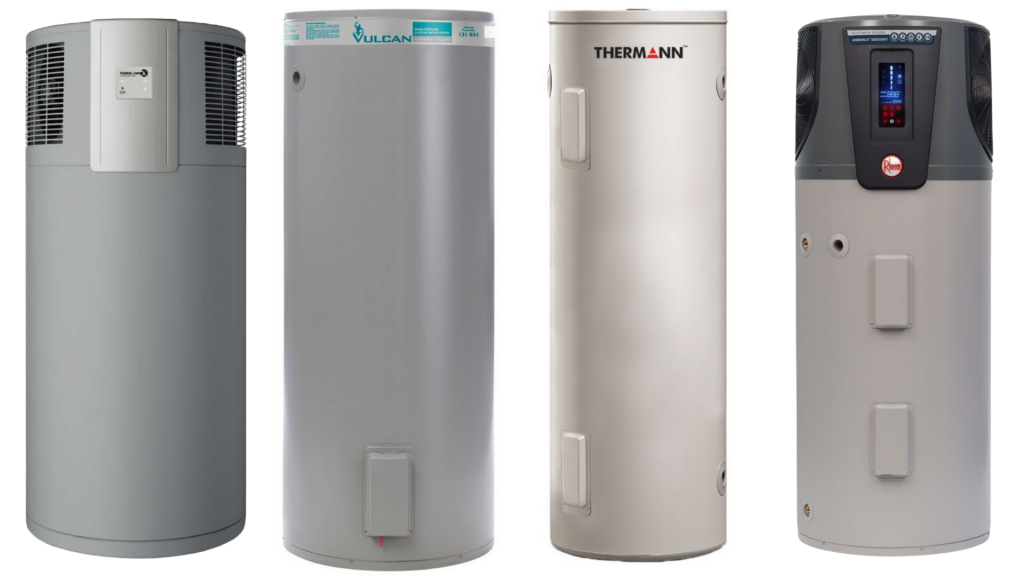
Some popular hot water systems include:

hot water system

What are heat pumps?

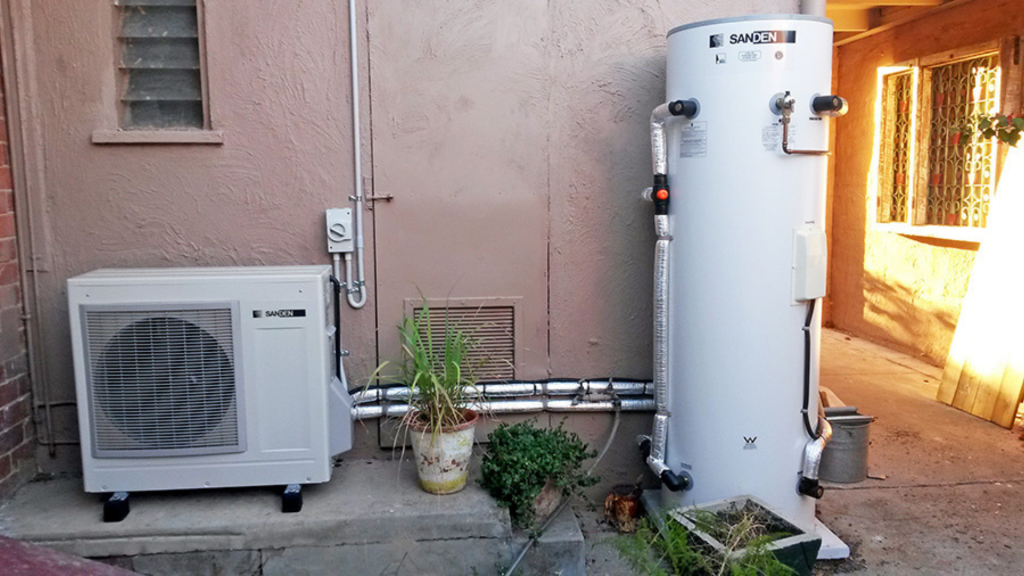
In basic terms, heat pumps use renewable energy to heat water without the need for solar panels. It works like a reverse refrigerator by transferring heat from the air outside of the unit into the water stored within through a heat exchange system.

Heat pump hot water systems have a lot of benefits over traditional water heating systems. They’re incredibly cost-efficient, environmentally friendly, and they pay themselves back over time through energy savings. They’re an excellent investment if you’re looking for a new home hot water system.

It’s true that a heat pump’s initial purchasing price is more expensive than a typical gas hot water system. Though with rebates and yearly savings you will inevitably make your money back. The exact costing will differ depending on usage, system’s brand and location.

Although the initial cost of a heat pump is higher than a gas hot water system, it has a less expensive cost to run thus saving $225/year and an average of $3,375 over its 15 year lifetime.

If you have solar panels installed in your home, the electrical bill will be cheaper, thus saving you more money. The higher the water usage, the more money a heat pump will save your household.

heat pump

Rebates for Heat Pump Hot Water System

Rebates are financial payments commonly provided by the government to create incentives for households to invest in renewable energy sources in their homes and businesses. These rebate incentives exist in Australia for all households that will adapt to using a heat pump water system.

Government rebates and assistance

heat pump rebate

Small-scale Technology Certificates (STCs)

STCs are rebates available throughout Australia. The purpose of these STCs is to assist in the initial cost of your home’s new heat pump hot water system. An STC is a measure of renewable energy that can then be exchanged for a discount on the heat pump purchase price or even a cash payment.

Each STC represents a megawatt-hour (MWh) per year of electricity displaced by an eligible system. To ensure STCs are valid, they must be created within 12 months of the system being installed.

Latest updates of small-scale technology certificates

Victorian Energy Efficiency Certificates (VEECs)

In Victoria, VEECs are available as rebates. Each VEEC represents a single tonne of carbon dioxide equivalent abated by the eligible system carrying out a specified energy-saving activity. If you are replacing a gas system with an electric system, no VEECs are available.

Victorian energy upgrades program

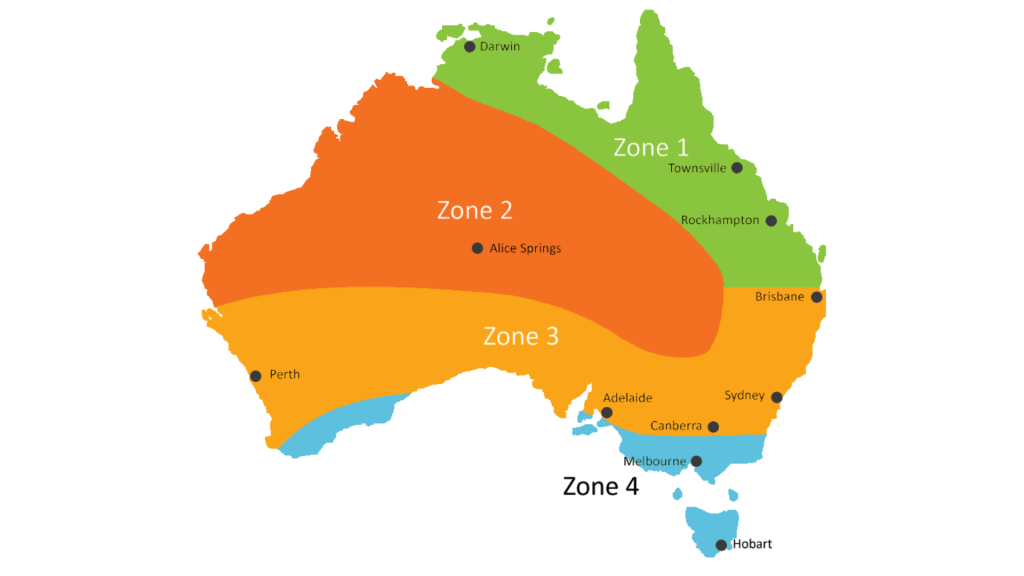
STC Rebate Zones

Australia is divided into five zones based on how much renewable energy can be generated by a solar collector system in a given area. The zone where you reside and are installing the heat pump will play a factor in the rebate amount.

Air source heat pump STC calculator 

stc rebate zone

Service Today Heat Pumps

If you’re looking for a heat pump hot water system you’ve come to the right place. We stock a great range of heat pumps to suit your budget and needs. Not sure which tank size you need? 

Our technician will come to your home and asses which heat pump is perfect for your home. With 4000+ 5 star reviews and a lifetime warranty on all labour, Service Today is the #1 choice for hot water systems. 

For a limited time, we are also offering $100 off when you trade in your old hot water system! If you book online we’ll take another $50 off! Our licensed plumbers are available 24/7 and provide a fast, friendly and reliable service you can depend on.

The post How to get paid to save power (Heat pump rebate) appeared first on Service Today.


from Service Today https://www.servicetoday.com.au/blog/heat-pump-rebates/

Tuesday, May 17, 2022

Electric vs Gas heating, Know what’s best for you

Electric vs Gas heating 

Service Today has been the industry leader in the Australian heating and cooling sector for near a decade. We are well versed in this topic, and as such, this is not our first article regarding electric vs gas heating. Our previous articles include:

Pros And Cons Of Gas Vs Electric Heaters (Published 2016)

Everything You Need To Know About Gas and Electric Heating! (Published 2017)

Electricity vs Gas Heating: What’s Better for Your Wallet? (Published 2018)

Since our last article, the electric heating market has seen a boom. 

This is due to:

Let’s revisit this topic to compare gas heaters to electric heaters.

There is a multitude of factors that may affect which form of heating is best for you and your home. Discuss your options with your local tradesman.

What costs more to install Electric or Gas heating? 

The first step is to determine if your home is capable of housing either an electric heating system or a gas heating system.

The installation of gas heating is a more expensive process. Especially if your home does not have an existing gas connection. Electric heating systems can be installed for a more cost-effective pricing point. It also does not require a specific connection for the house to possess prior (besides an electrical connection).

Gas heating cost

What costs more to run Electric or Gas heating? 

Which heating system has a cheaper cost to run. On average electric heating tends to be more expensive than gas heating. If your home uses renewable energy such as solar power this could be a consideration decreasing your cost of energy heating.

Which is safer Electric or Gas heating?

Like most appliances in the home, safety considerations should be taken for the operation and maintenance of the heaters to ensure longevity.

Both heating methods present their own potential hazards. Electrical heating possesses a low risk of electrical fires. Gas heating poses low risks of carbon monoxide leak affecting air quality and the potential of gas combustion. Making electric heating the safer option.

Electric and gas heating warranty

It is common for heaters to come with a warranty condition of service. This changes brand to brand, though electric heaters tend to require maintenance more often to maintain a warranty. Always ask your tradesman about the warranty conditions of your heater.

gas heating warranty


Electric Heating


Gas Heating


Cost of installation

Lower 

Higher

Cost to run 

Higher

Lower 

Safety

Low threat of electrical fire

Low threat of carbon monoxide leak and combustion

Warranty 

Needs more frequent service to follow the warranty 

Needs less frequent service to follow the warranty 

Conclusion

The performance of each heater is dependent on the area of the home that is being heated. In general, an electric heater will work best when warming smaller indoor areas. Gas, however, is capable to distribute heat in larger spaces and outdoor areas.

Choosing a plumber

Contact service today to discuss what heating system would be best for you. Our experts are up to date with the latest in electric and gas heating products and installation.

Call us or book online today. See for yourself why thousands of Australians have given Service Today their 5-star tick of approval!

The post Electric vs Gas heating, Know what’s best for you appeared first on Service Today.


from Service Today https://www.servicetoday.com.au/blog/electric-vs-gas-heating/

Monday, May 2, 2022

Can you put oil down the drain?

It has happened to all of us. You have just finished cooking, you look down and see a pan full of hot oil cooking that needs to be discarded. And you ask yourself, “Can I put oil down the drain?” “How bad can it be?” “Where am I supposed to put it?” “Will it melt in the bin?”.

Can you pour oil down the drain?

The first thing to know is the difference between hot and cold oil. These states should be handled differently. When discarding oil, it should always be cooled to prevent injury and damage. Pouring hot oil down the drain is very dangerous as it may mix with water and cause bursts of hot oil and water. If a burn occurs, immediately perform first aid and depending on the severity of the injury, seek medical attention.

Hot oil and fats will also likely solidify when in the drains, causing blockages and damage to the pipes. Disposing of the hot oil directly into the bin will result in melting the plastic. Cold oil, even though less dangerous, can still cause blockages and pipe damage due to its hydrophobic state ( the property of repelling water). The oil will coat your pipes, trapping particles of food and hair.

Pouring small increments of oil into a drain will cause an accumulation of oil; this may lead to expensive blockages. Oil, whether hot or cold, should under no circumstances be discarded down the drain. This will cause damage and blockages over time and may present a physical hazard.

Can you pour oil down the sink

 How do I dispose of oil?

Only dispose of oil once it has cooled; never attempt to dispose of hot oil. If you need to discard a small amount of used oil, it is best to soak it up with a disposable paper towel and place it in the bin. 

The safest method for disposing of larger amounts of oil is to use a disposable container for the oil, such as a plastic bottle, or to create a sturdy container out of foil. Wait until the oil is cool and funnel it into the container. Then dispose of the container in the bin.

How do i dispose of oil?

How do I clear an oil-blocked sink?

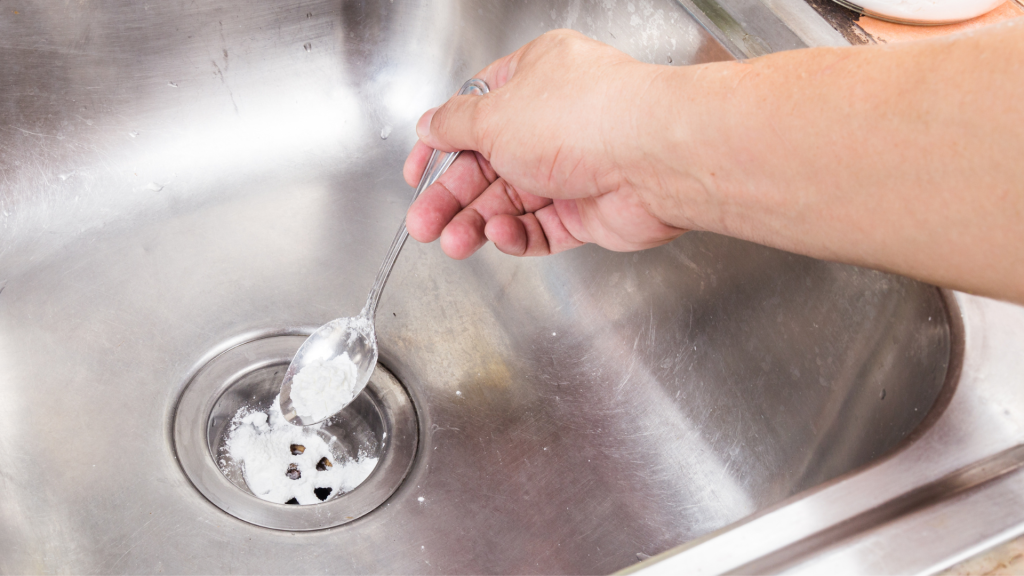
The most effective DIY method of clearing a drain blocked with oils and fats is to pour a cup of baking soda into the drain and wait for a few minutes. Then, follow it with a cup of vinegar. Let this sit for a couple of hours so it can melt the blockage. After this, pour boiling water directly into the drain to clear it all out. Many people prefer this method since it is eco-friendly and won’t damage plastic pipes. The reaction of the baking soda and vinegar will cause the grime to loosen and the hot water will cause the unwanted grease to be pushed down the drain.

Learn how to unblock a sink by reading our article here


How do I clear an oil-blocked sink?

Time to call in the professionals?

If this method does not work, call an emergency plumber to clear your drain.

The expert plumbing technicians at Service Today have extensive knowledge and experience regarding all types of drainage systems. 

If you are located in greater Sydney, Melbourne, or Adelaide Service Today can provide you with any plumbing service you may require.

We have been servicing these local areas for over a decade in all things plumbing, electrical, heating and cooling. Plumbing Questions

Call us or book online today. See for yourself why thousands of Australians have given Service Today their 5-star tick of approval!

The post Can you put oil down the drain? appeared first on Service Today.


from Service Today https://www.servicetoday.com.au/blog/can-you-put-oil-down-the-drain-everything-you-need-to-know/

Thursday, April 14, 2022

Answering all your electrical questions

Real Answers From Real Electricians! We are answering all of our most asked electrical questions.

If you have any electrical questions, message us on our social platforms:

Why hire a professional electrician? 

Doing any electrical work yourself or by an unqualified person is dangerous and illegal. This may result in voided insurance, property damage, injury and potentially death. For this reason, it is essential to hire a professional electrician for residential work to ensure the quality and safety of work. The only electrical job that can be safely performed at home is changing a light bulb.

 Unless you are a qualified electrician, you should never attempt to:

  • Wire any part of your property

  • Install, replace or move power points

  • Install, replace or move lights and switches

  • Install or replace ceiling fans

  • carry out any electrical maintenance task

Hiring a professional electrician will always be safer than using a friend with electrical experience. Due to the potential hazards that may be present for your family and the voiding of insurance and warranty.

Read our article for an in-depth look into “Why should I hire a professional?”

professional electrician

Can an electrician move the electric meter?

Yes, a licensed and experienced electrician can move an electric meter. This will ensure that all legal regulations are followed, and the installation will be safe and not result in electrical faults.

Meter Boxes may need to be re-located and upgraded for several reasons. Such as home renovation or damage to the system.

Move Electrical Meter

Can an electrician install an EV (Electric Vehicle) charger?

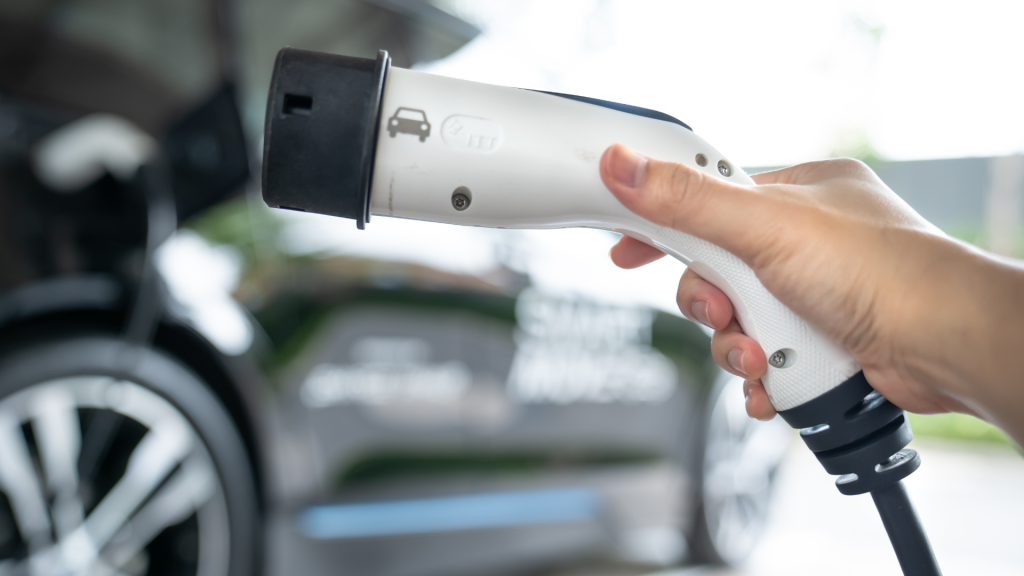
Installation of an EVSE must be completed by a licensed and experienced Electrician.  To achieve the best installation, the technician should attend to your home and inspect and understand the existing electrical system. The placement of the charger is also crucial to its practicality.

The onsite Electrician will determine If there is the capacity to install the EVSE (Electric Vehicle Charging Station) with the existing electrical power demand for the home, where is the practical location for the EVSE to be placed and provide you pricing in writing as well as details on the workmanship and product warranties.

 Read our homeowners guide to installing electric vehicle charging in Australia  

EV Charger

Will an electrician install a ceiling fan?

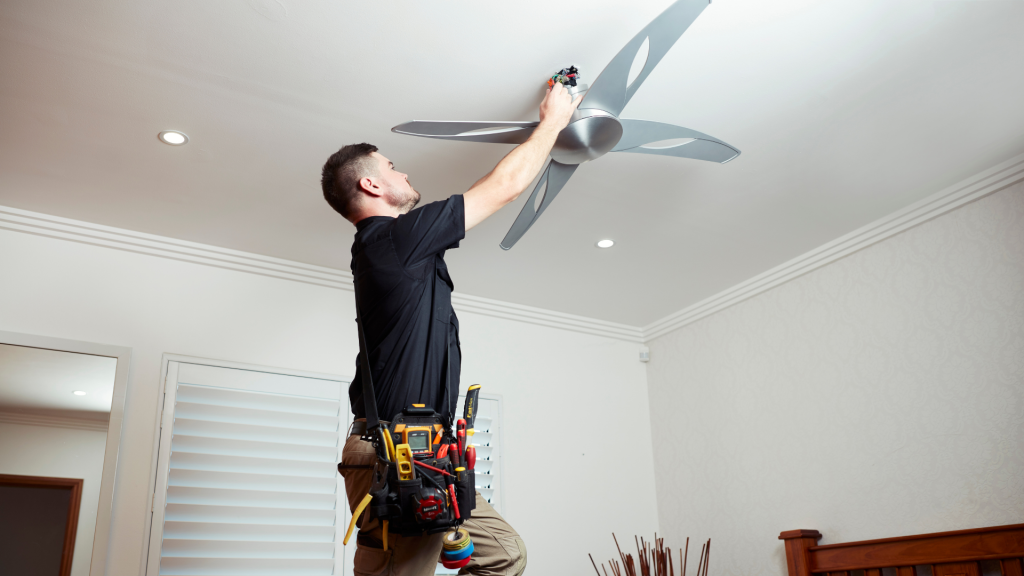
Any qualified electrician is capable of installing and repairing ceiling fans. If you are looking for a new ceiling fan, want to upgrade your current one to have a light and remote or need some repairs to your current ceiling fan. 

What are the benefits of installing a ceiling fan?

Due to their positioning and size, ceiling fans provide better air circulation than standard box fans or stand fans, and take up less space too. Conventional desk and standing fans generally have a more directional narrow output by comparison making them less efficient to use in larger spaces.

Installing a ceiling fan is energy and cost-efficient. A ceiling fan allows your home to stop using an expensive heater and air conditioning system. if you’re looking for a ceiling fan with lights, we can help you make the switch to the more cost-effective option of LED lights now. A ceiling fan can enhance the look and feel of your home.

Installing ceiling fan

Will an electrician install an air conditioning unit?

An air conditioning unit is best installed by an HVAC (Heating, Ventilation, and Air Conditioning) Technician as they hold a refrigeration license and are experienced in installation and repair.

What to consider when choosing an Electrician

There are a lot of factors to consider when choosing an electrician. Many tradesmen will take advantage of naive customers. To prevent yourself from falling into that trap, use the following guide to vet your tradesman.

The golden rule is to only work with electricians that treat you and your home with respect.

Respect

As a sign of professionalism and respect, an electrician should never use a client’s bathroom, track dirt or mud through the home, spit or smoke on your property. These are warning signs that you are dealing with an unprofessional electrician. A quality tradesman will call ahead and arrive looking clean and presentable.

Cost

The cost of your tradesmen is also an indicator of their ability and quality of work. Many people are tempted by the cheapest quote they receive. However, this often results in cheap materials being used and corners being cut. As a result, your home will suffer additional damage or hazards.

Google

The use of Google is a great metric to understand the tradesman and company you are hiring. Each business should have a Google Business page. This adds authentication to their business.

Google reviews are the holy grail of business accountability. Reading reviews will tell you exactly what the majority of customers experience when working with a business. If the review score is below 4 stars, that is a major red flag. Whereas if the Google business page has frequent reviews and is rated above 4 stars, this is a good sign.

Certification

You can check a tradesman’s licence at any time. Objections to this request should immediately raise red flags. All tradesmen carry their licence on their person while working; this can also be verified by searching the number or tradesman’s name online through the Australian government’s state service website. It is important to ensure they are qualified for the classes of work being performed. Also, ensure the electrician has a guarantee for their work.

Ethics

Before any work takes place, ask for an estimate. No job should take place without having an understanding of its pricing. Get an in-person evaluation and quote, don’t accept any quotes over the phone.

How could a professional price a job that they have not seen?

This will commonly result in an inaccurate quote. When the tradesman is in your home, they should communicate with you before and after they perform their service, making sure every aspect is understood by both parties.

choosing an electrician

Who does electrical work near me?

If you are located in greater Sydney, Melbourne, or Adelaide Service Today can provide you with any electrical service you may require.

We have been servicing these local areas for over a decade in all things plumbing, electrical, heating and cooling. Electrical Questions

Call us or book online today. See for yourself why thousands of Australians have given Service Today their 5-star tick of approval!


The post Answering all your electrical questions appeared first on Service Today.


from Service Today https://www.servicetoday.com.au/blog/answering-all-your-electrical-questions/

Sunday, April 10, 2022

Homeowner's Guide to Installing Electric Vehicle Charging


Electric vehicle (specifically electric car) popularity in Australia continues to grow at a fast pace. Sales of new electric cars totaling 20655 units through 2021 up from 6900 during 2020, according to the AFR.  

With Australia’s uptake of new technology, homeowners are starting to ask how they can upgrade their homes to support Electric vehicle charging and how much is costs to install and operate.

We have put together a list of general questions to help homeowners understand the requirements and costs of installing a personal Electric Vehicle charging station. 

There is an upfront cost in moving to an Electric Vehicle for buyers.

However, with Installer Finance options and savings on fuel and maintenance, an Electric Vehicle can show substantial savings when compared to a conventional vehicle financially and environmentally.


DO ELECTRIC VEHICLES NEED A COMMERCIAL / THREE-PHASE POWER SUPPLY?

Not all houses in Australia possess 3 Phase power, if your property does not you may be able to arrange for it to be installed. 

This is by far the best way to quickly charge your Electric Vehicle (EV) if you drive each day you will want to replenish it as quickly as possible through fast charging.  

The vast majority of single electric vehicle homes will not require three-phase power.

Newer EVs have larger battery packs and can make use of load sharing electric vehicle supply equipment (EVSE) car apps, and EVSE phone apps, which will enable hassle-free charging without the need to install three-phase power.

As an example of the evolution of the EVs themselves, a new Hyundai Kona electric on a single-phase 32A (7kW) will be fully charged and ready to go in approximately 9 hours. No question having three-phase power will assist to charge your EV faster.

Though unless you have an additional need for three-phase power in the home such as a very large air conditioning system the costs of upgrading outweigh the benefits for the EV owner.


HOW MUCH DO ELECTRIC VEHICLE HOME CHARGING STATIONS COST TO INSTALL?

The cost to install an electric car charging station varies depending on several factors:  

  • The size and type of home
  • How old the building is
  • If there’s an existing power supply
  • where the charger will be installed 
  • Installation of Solar Panels and Electrical Storage Batteries.

Installation of the most basic of Mode 2 EV Chargers that are supplied with the car can be connected to a standard wall plug and used for charging, with no installation costs.

Although simple, the Mode 2 Charger is very slow and will not fully charge an EV Battery from Flat to Full overnight.  

The best place for homeowners to connect their electric vehicles chargers are in the garage.

Adding and connecting solar and battery systems among other factors may increase the complexity and the cost of the installation.

Regardless of the type of installation that you choose it is imperative to have a quality installer complete the work for you.  

Correctly installing the EVSE protects the home from fire and other risks that poor quality electrical work can cause, as well as protecting your new EV from damaging the converter, batteries and electrical circuitry of the vehicle.


IS A QUALIFIED INSTALLER REQUIRED FOR AN ELECTRIC VEHICLE CHARGING STATION (EVSE)?

Installation of an EVSE at home must be completed by a licensed and experienced Electrician. To achieve the best installation, the technician should attend your home, inspect and understand the existing electrical system.

If there is the capacity to install the EVSE with the existing electrical power demand for the home, where the practical location for the EVSE to be placed and provide you pricing in writing as well as details on the workmanship and product warranties.

It is important to understand the installation Electricians experience with EVSE’s. Depending on the type of EV you are planning to buy, there are subtle configurations and set-up requirements that can vary.  

An experienced Electrician will set up your EVSE so that your car charges efficiently as possible.


HOW MUCH DOES CHARGING AN ELECTRIC VEHICLE AT HOME COST?

The price of charging an electric vehicle at home currently costs between $0.15 and $0.30 per kWh, which is about half the cost of a level three-public charging station which ranges from $0.30 and $0.60 per kWh.  

Charging at home has a cost for small EVs between $7.00 and $15.00 and longer-range electric vehicles $11.00 and $25.00 for a full charge.  

A fully charged small EV can travel up to 350 KM, about the average distance Australian drives each week.

EV’s offer great value on a per KM basis compared to conventional vehicles with weekly costs up to half that of a conventional motor vehicle.  

The final statistic to consider when thinking about fitting your home to charge electric vehicles is the improved value to your property. 

In 2021 76% of homes sold in Australia with an EVSE installed achieved a higher than expected sale price to comparable properties in their area without an EVSE fitted.


What Electric cars are available in Australia?

There are many Electric Vehicle manufacturers in the market nowadays and as most of us probably know, made popular by TESLA MOTORS they were founded in 2003.

Tesla began production of its first car, the Roadster sports car in 2009 followed by the Model S sedan in 2012 then the Model XSUV in 2015. 

The Model 3 sedan began production in 2017 and the Model Y Crossover in 2020. 

The Model 3 is the all-time best selling plug-in electric car worldwide and in June 2021 became the first Electric car to sell 1 million units globally! 

Having sold 15000 units in Australia which accounts for over 62% of all Electric Vehicles sold. The next closest competitor was the MG ZS with almost 1400 units sold. 

As Electric Vehicles become more popular here in Australia more and more car manufacturers are bringing out fully electric vehicles the list is almost endless!

Tesla   Audi  Mercedes  Hyundai  Nissan  Mazda  BMW  Toyota  Volvo  Honda

Peugeot  Volkswagen  Range Rover


Summary

Overall, the convenience of having an EVSE installed at home, coupled with faster charging times, lower costs, better protection of the EV battery and the general compatibility of an EVSE across models.

For anyone considering purchasing an EV now or in the future we believe that you should install an EVSE for your home and maximise the benefits of Electric Vehicles. 

If you need a callout, inspection and quote for your Electric Vehicle Charging Station installation contact Service Today.

Book online here to receive $50 off installation.

If you are looking for an experienced electrician in Adelaide, or surrounding areas including Edwardstown, Craigmore, Prospect, Magill & Henley Beach, call 1300 859 383.